Classic Cyanotype
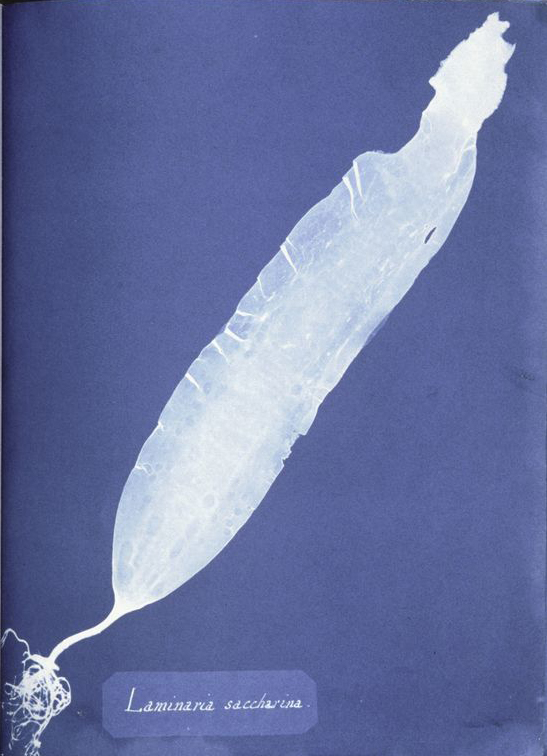
The original cyanotype process, invented by Sir John Herschel in 1842.[1] Two solutions — ferric ammonium citrate (Solution A) and potassium ferricyanide (Solution B) — are mixed, coated onto paper, dried, and contact-printed under UV light. Exposed iron salts reduce from ferric to ferrous, forming Prussian blue (ferric ferrocyanide) upon washing. The result is a permanent blue image with a characteristic cyan tone. Simple, inexpensive, and forgiving — an ideal entry point for alternative processes.[2]
References
Mixing Instructions
Solution A: Dissolve 25 g ferric ammonium citrate (green) in 100 ml distilled water at 20 °C.
Solution B: Dissolve 10 g potassium ferricyanide in 100 ml distilled water at 20 °C.
Store each solution separately in brown glass bottles — they keep for months individually.
To sensitize and print:
- Mix equal parts A and B immediately before use.
- Coat onto paper with a brush or glass rod under dim incandescent light (not fluorescent/UV).
- Dry completely in the dark.
- Expose under UV light (sun or UV lamp).
- Develop in running water for 5-10 minutes.
Ingredients for 100ml of Working Solution
| # | Chemical | Role | Qty (100ml) | Unit | Note |
|---|---|---|---|---|---|
| 1 | Ferric Ammonium Citrate | Toner | 25.0 | g | (Solution A) |
| 2 | Potassium Ferricyanide | Toner | 10.0 | g | (Solution B) |