Why Agitation Matters
Agitation is the controlled movement of developer solution over the film surface during processing. It serves two critical functions: it brings fresh developer into contact with the emulsion, and it carries away exhausted developer and bromide by-products. The frequency, duration, and vigor of agitation directly affect negative density, contrast, grain, and evenness.
Standard Agitation (Inversion Method)
The most common technique for small tank (Paterson, Jobo) processing:

- Initial agitation: Continuous gentle inversions for the first 30 seconds (approximately 4-5 complete inversions)
- Periodic agitation: 2-3 inversions every 30 seconds thereafter
- Drain time: Allow a second or two for solution to drain between inversions
This produces results that match published development times from manufacturers and the Massive Dev Chart.
Variations and Their Effects
Continuous Agitation
Inverting or rotating the tank continuously throughout development:
- Produces highest contrast and density
- Most even development
- Maximum grain visibility
- Shortest development time for a given density
- Used in machine processing and some rotary processors
Reduced Agitation
Inverting every 60 seconds or longer:
- Lower contrast than standard agitation
- Enhanced edge effects (adjacency effects)
- Slightly increased risk of uneven development
- Can produce visible surge marks near sprocket holes (35mm)
Rotary Agitation (Jobo/Motor Base)
Continuous rotation of the tank on a motorized base:
- Very even development
- Higher effective agitation than inversion
- Requires reduced development times (typically 10-15% less than inversion times)
- Excellent for consistent, repeatable results
Tray Agitation (Sheet Film)
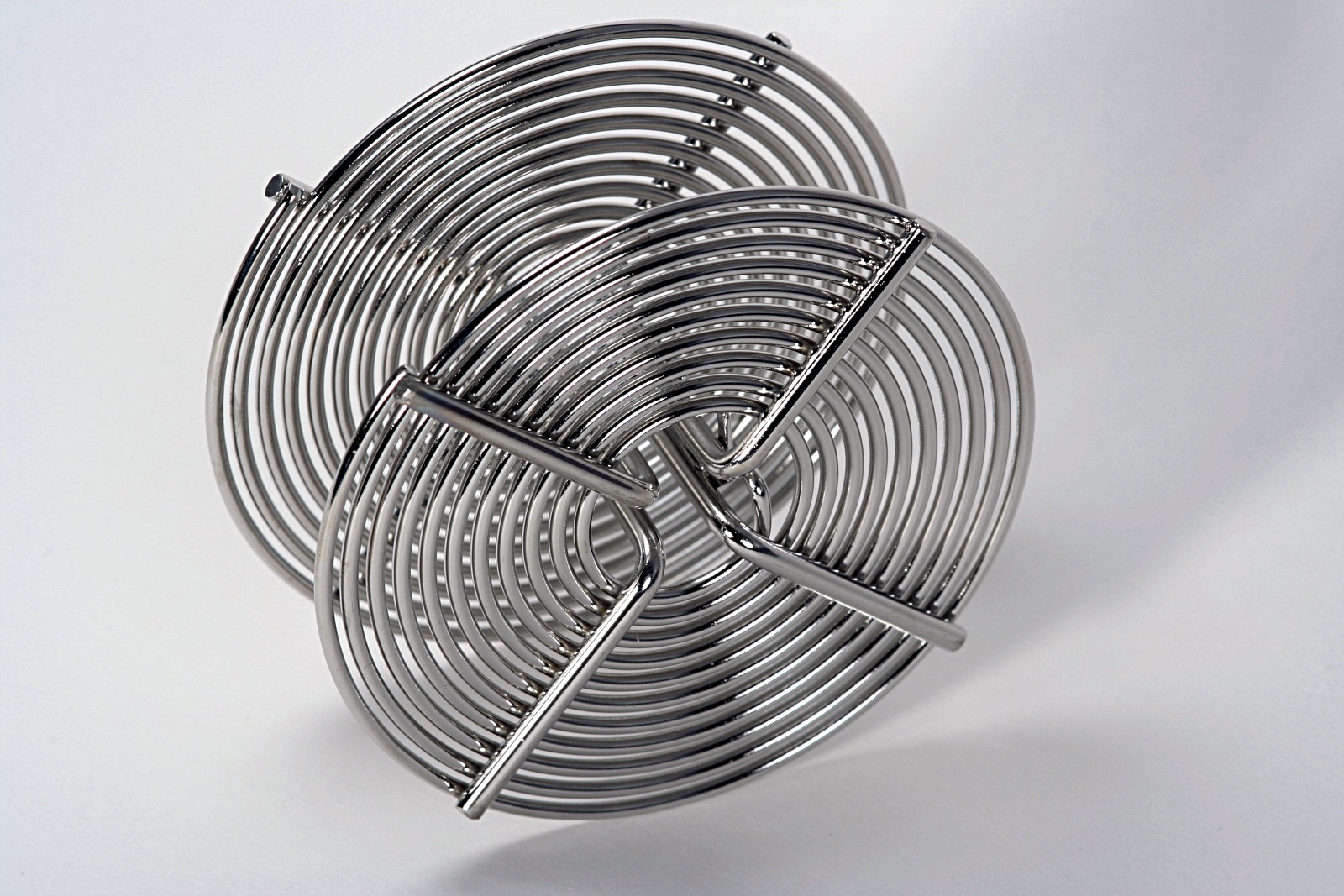
For large format sheet film processed in trays:
- Shuffle sheets continuously: bottom sheet to top, repeat
- Or use a single sheet with gentle rocking of the tray
- Development times are typically 10-20% shorter than tank times due to the vigorous agitation
The Effect on Contrast
Agitation has a direct, predictable relationship with contrast:
- More agitation = higher contrast: Fresh developer continuously reaches highlights, preventing the local exhaustion that would otherwise limit highlight development.
- Less agitation = lower contrast: Local exhaustion in highlights produces a compensating effect, while shadows continue to develop with the less-depleted developer.
This is why stand and semi-stand development (minimal agitation) produces the most pronounced compensating effects.
Common Problems
- Bromide drag: Visible streaks running from dense areas toward less dense areas, caused by gravity-driven flow of bromide-laden developer. Fix by varying the axis of inversion or adding a rotation.
- Surge marks: Bands of increased density near sprocket holes (35mm) or frame edges, caused by developer flowing through or around these features. Fix by using a slower inversion technique.
- Uneven development: Mottled or blotchy density, usually from insufficient agitation. Ensure complete and consistent agitation cycles.
Tips
- Whatever agitation pattern you choose, be consistent. Consistency matters more than the specific technique.
- Tap the tank on the counter after the initial agitation to dislodge air bubbles that can cause circular undeveloped spots.
- Count your inversions. Develop a rhythm and stick to it.
- If published times give you negatives that are slightly too dense or too thin, adjust agitation before adjusting development time.