What Is Sepia Toning?
Sepia toning converts the metallic silver image to silver sulfide, producing the warm brown tones associated with vintage photographs. It is a two-bath process: the print is first bleached
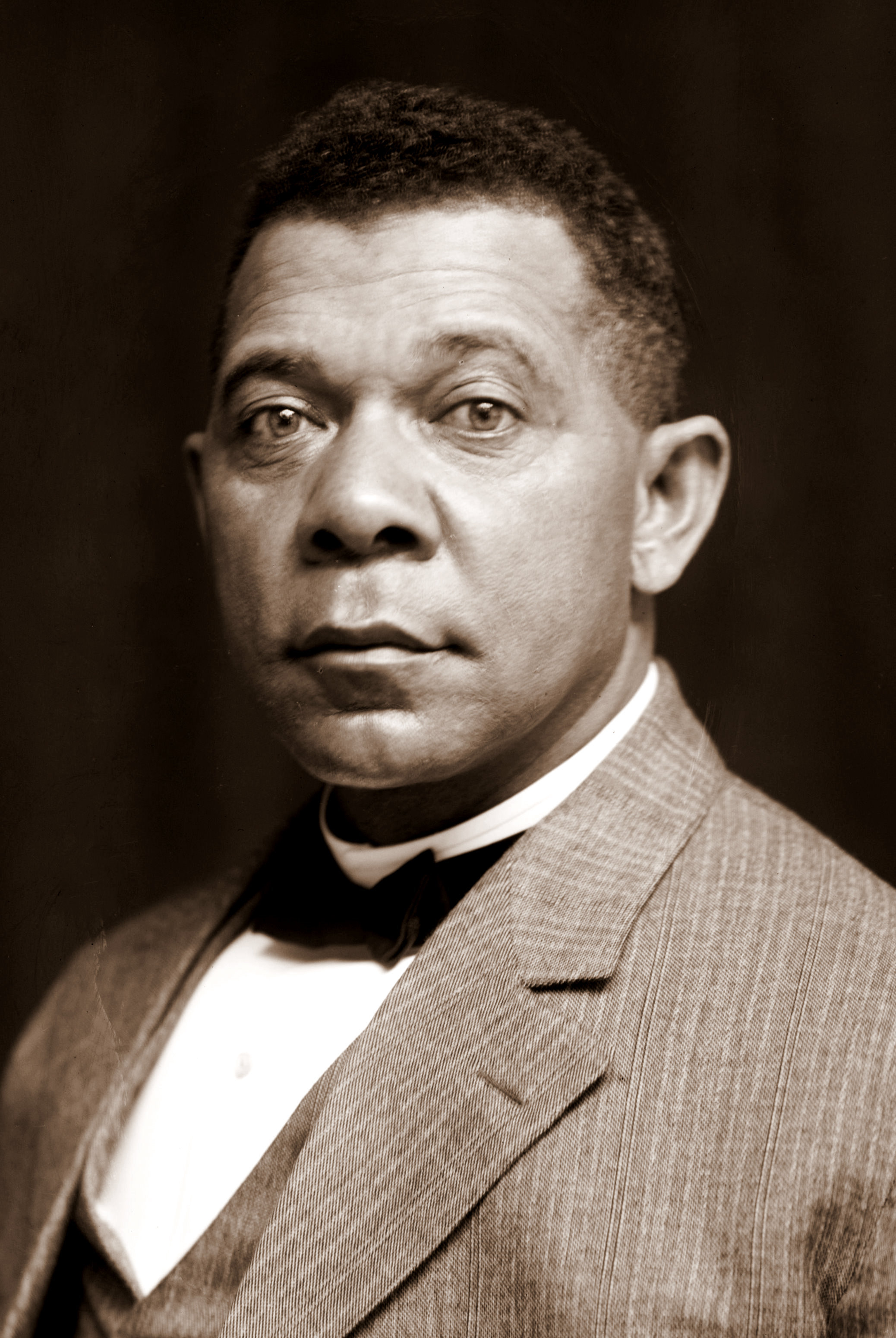
(converting silver to silver bromide) and then redeveloped in a sulfide or thiourea bath (converting silver bromide to brown-toned silver sulfide).
The Two-Bath Process
Bath 1: Bleach
The bleach bath contains potassium ferricyanide and potassium bromide. It converts the metallic silver image to pale yellow silver bromide and silver ferrocyanide.
Typical formula:
- Potassium ferricyanide: 50g
- Potassium bromide: 50g
- Water to make: 1 liter
Working solution: dilute 1:9 with water.
Bath 2: Toner
Sodium sulfide toner:
- Sodium sulfide: 25g per liter
- Strong "rotten egg" smell; work with ventilation
Thiourea toner (preferred for studio work):
- Thiourea: 25g
- Sodium hydroxide: 10-25g (controls warmth)
- Water to make: 500ml
More sodium hydroxide produces purple-brown tones; less produces yellow-brown tones.
Procedure
- Start with a fully fixed, well-washed print (fiber-based preferred)
- Immerse in bleach bath with gentle agitation
- Bleach to the desired degree (see "Controlling Warmth" below)
- Rinse thoroughly in running water for 2 minutes
- Immerse in toner bath until the image is fully redeveloped (1-2 minutes)
- Wash thoroughly: 20-30 minutes for fiber-based paper
Controlling Warmth
The degree of bleaching directly controls the final tone:
- Full bleach (image nearly disappears): Deep, rich sepia throughout the entire tonal range
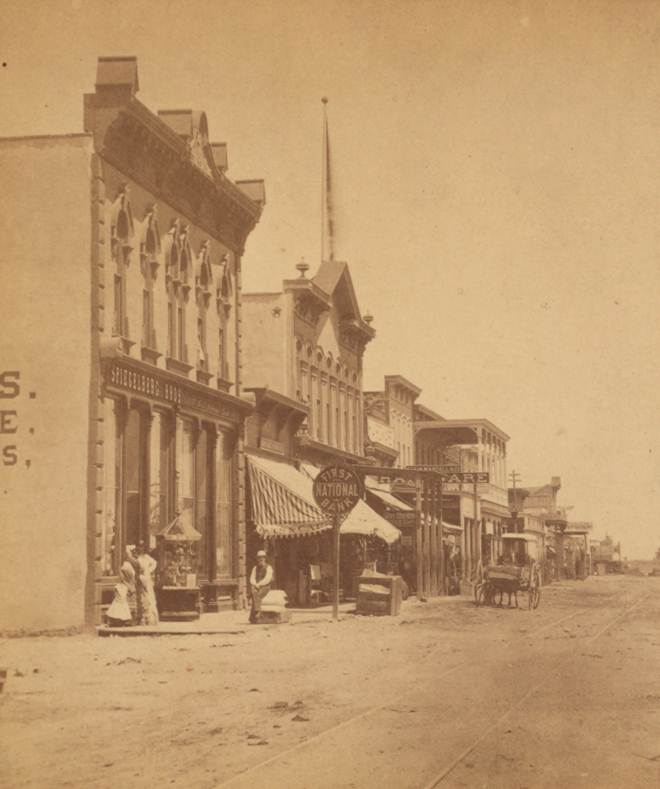
. Warm highlights, warm shadows.
- Partial bleach (highlights only bleached): Split-tone effect. Warm highlights with cool/neutral shadows. Often the most attractive result.
- Light bleach (subtle lightening): Very subtle warmth in the lightest tones only. Delicate and elegant.
Sepia and Archival Permanence
Silver sulfide is significantly more resistant to atmospheric oxidation than metallic silver. Sepia-toned prints have better archival permanence than untoned prints, which is one reason so many 19th-century prints survive

in good condition -- they were routinely toned in sulfide toners.
Tips
- Prints lighten slightly during bleaching and darken slightly during toning. Print about 5-10% darker than your target final density.
- Thiourea sepia is far more pleasant to work with than sodium sulfide. The odor is minimal and tone control is better.
- The bleach can be reused many times. The toner exhausts more quickly and should be mixed fresh for each session.
- Sepia toning works on both fiber-based and RC papers, but fiber gives richer, more luminous results.
- Experiment with partial bleaching for the most nuanced results.